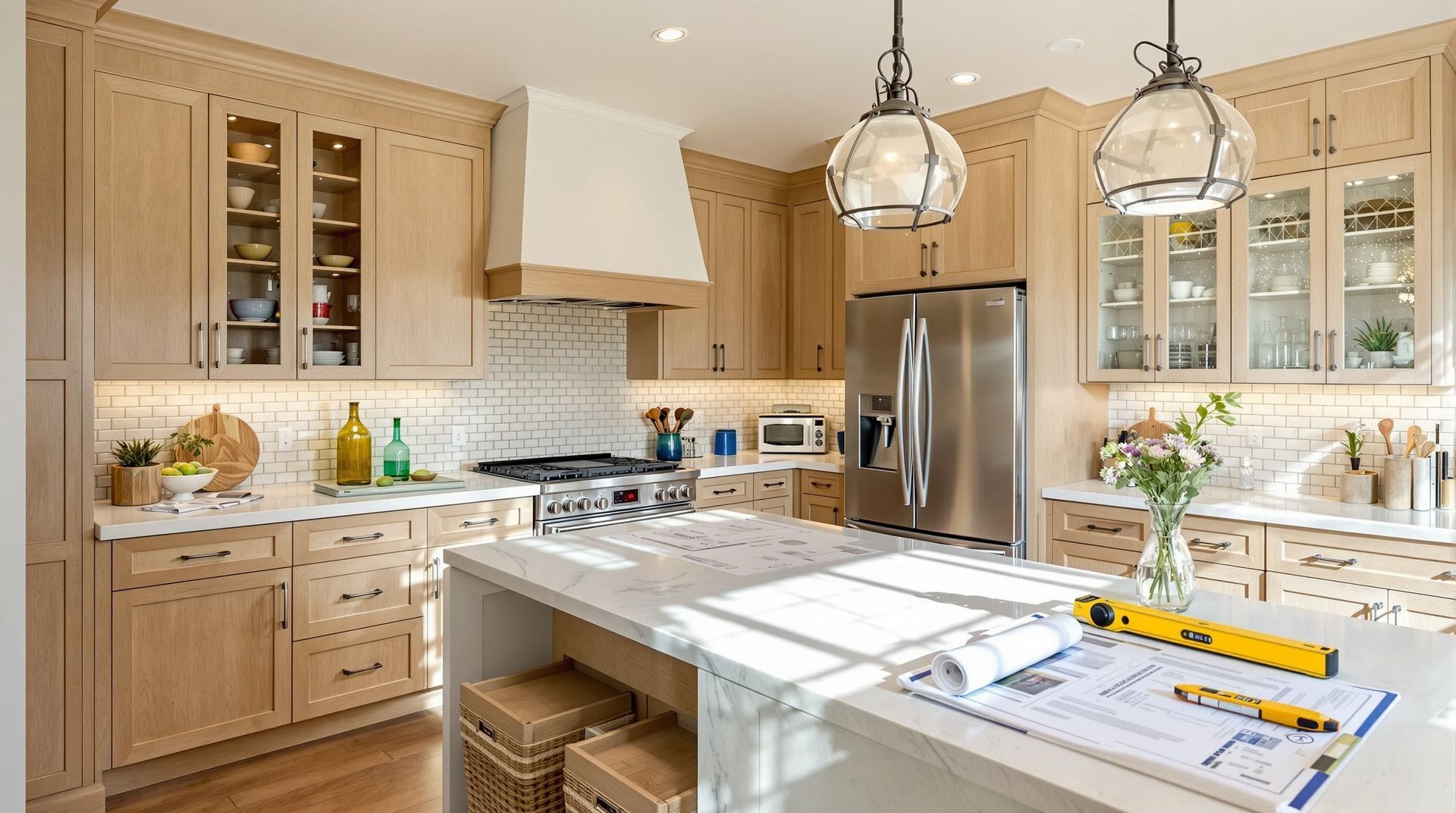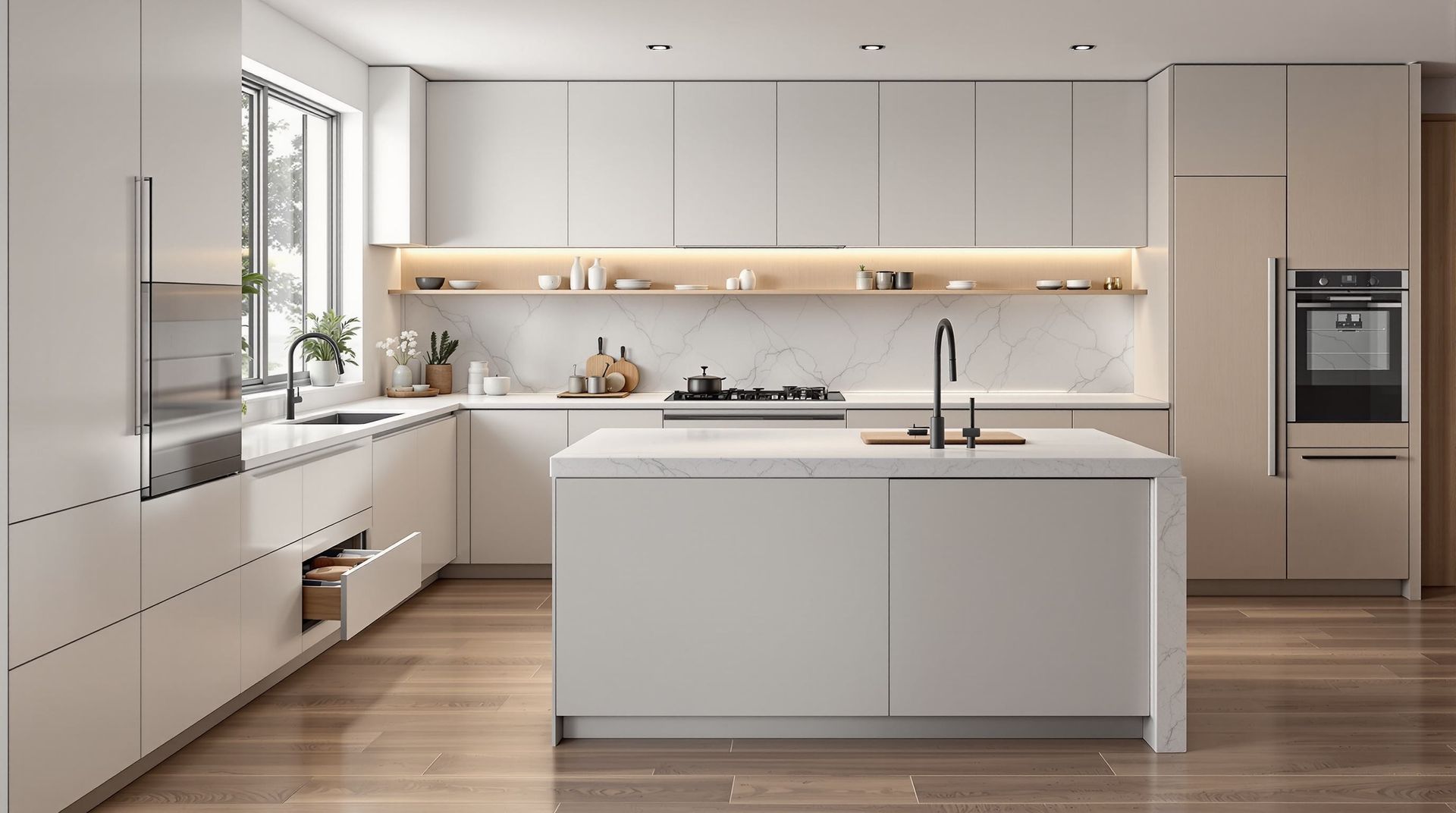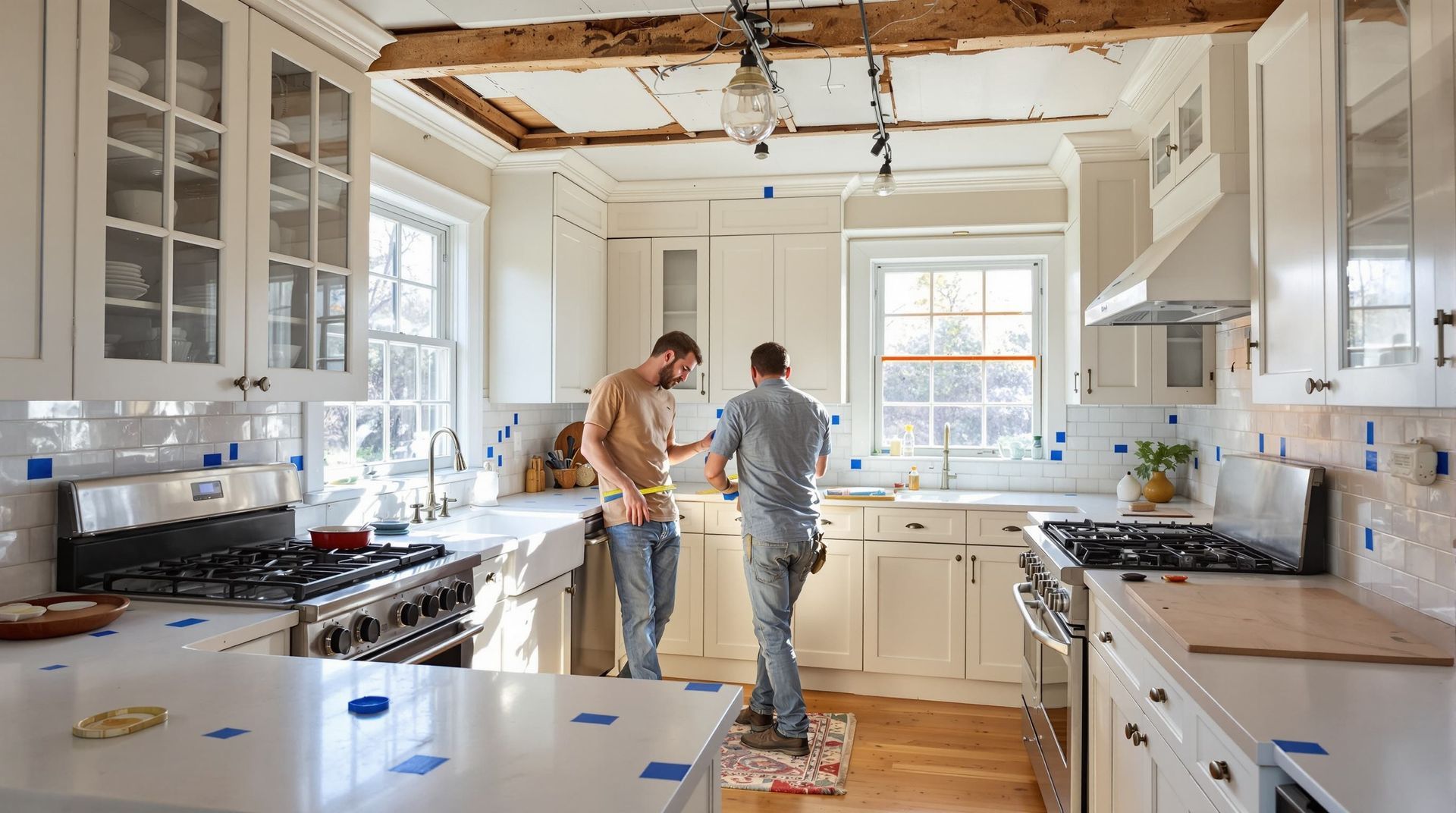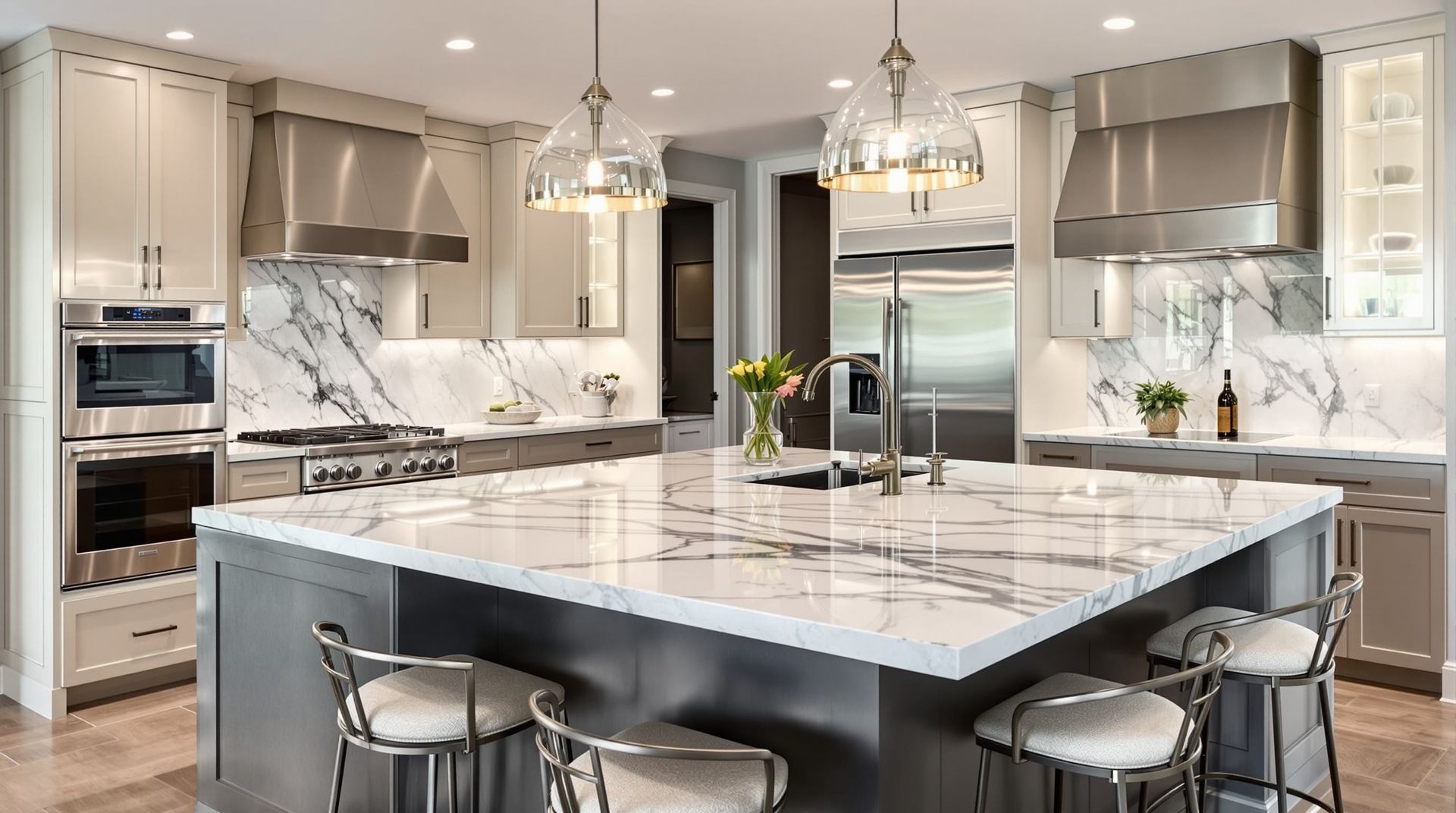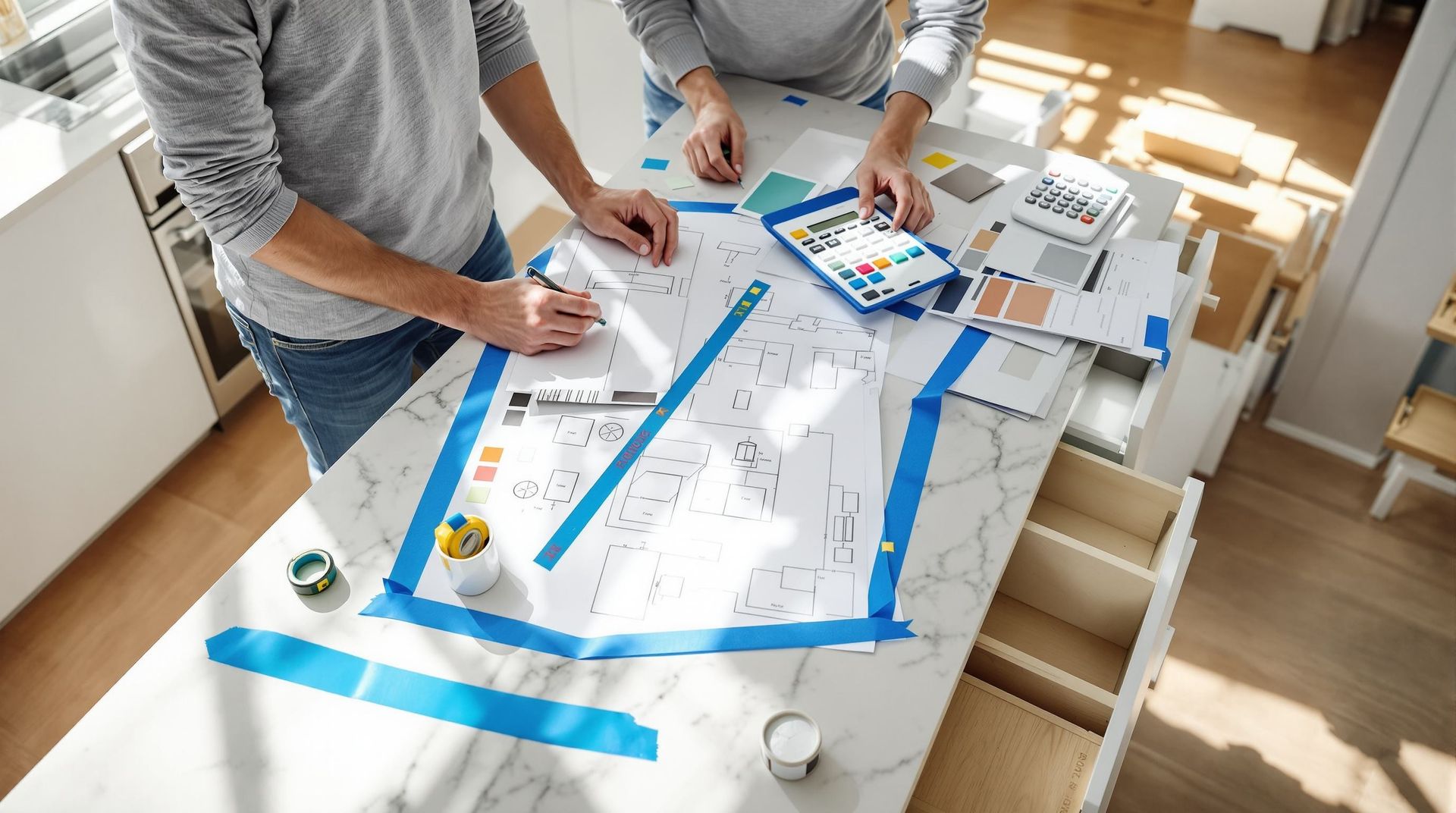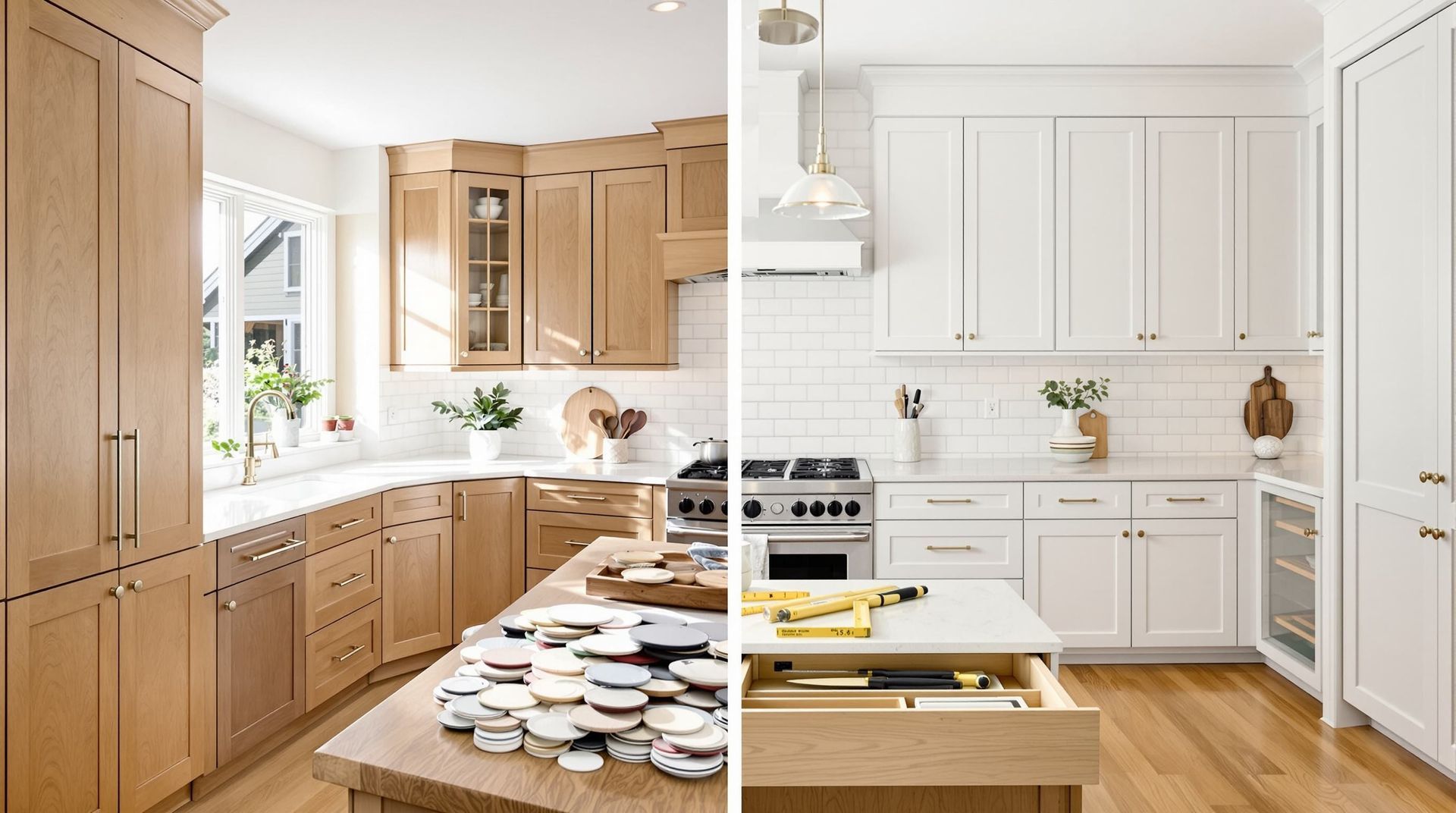

Storage-First Kitchen Design for Modern Homes
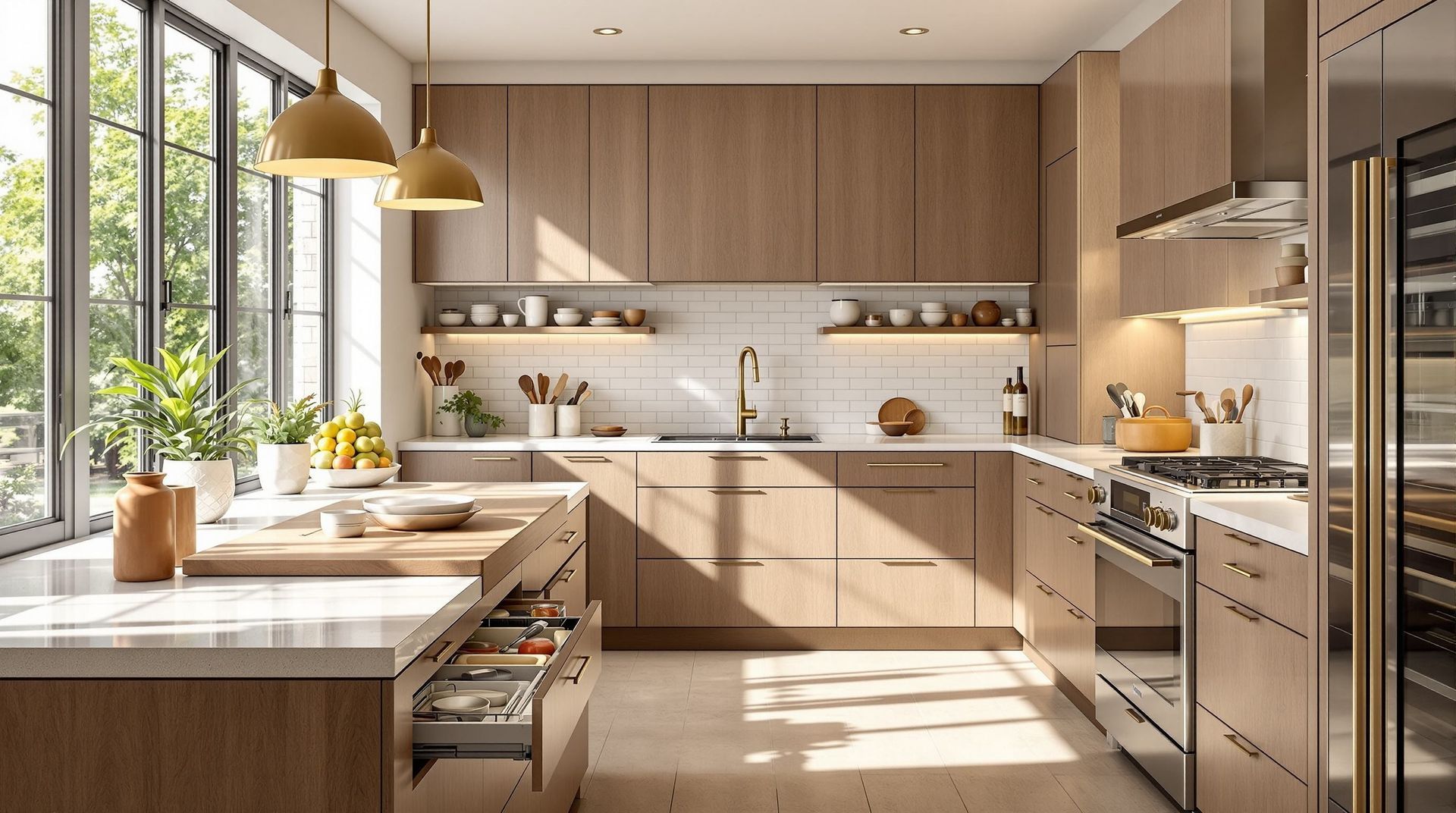
Kitchen Remodeling in Athens, OH: Storage Design
Quick Take: Most Athens homeowners start their kitchen remodel by picking cabinet finishes, but storage planning has to come first. A well-designed storage layout can unlock dramatically more usable space without expanding your kitchen's footprint. At Athens Kitchen & Bath, we use 3D design software to show you exactly where every pot, pan, and pantry item will live before a single cabinet gets ordered.
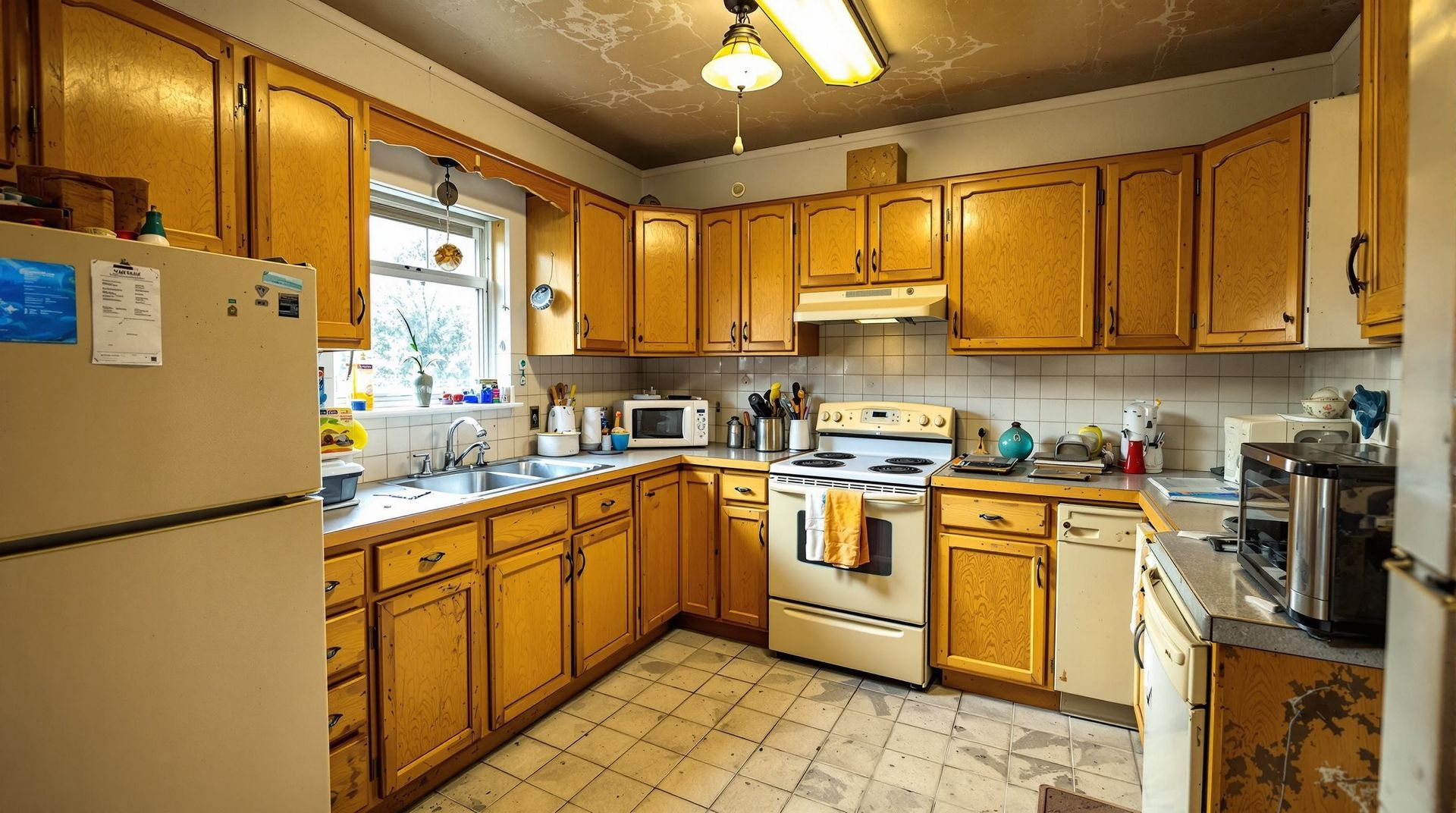
Walk into almost any kitchen in an older Athens home and the problem announces itself fast. The counter is covered because there's nowhere else for things to go. The cabinet under the sink is a mystery. The pantry, if there is one, requires removing three things to reach a fourth. None of it is a design failure exactly. It's a storage failure, and it's one that a new coat of paint or updated hardware won't fix.
Most homeowners approaching a kitchen remodel focus first on what they'll see: cabinet finishes, countertop materials, hardware, backsplash tile. Those choices matter, but they come second. The kitchens that actually work, the ones where cooking feels easy and the space stays organized without constant effort, are the ones where storage was mapped out before anything else was selected.
That's the approach we take at Athens Kitchen & Bath, and after 30+ years of renovating homes throughout southeastern Ohio, it's the single biggest difference between a remodel clients love five years later and one they're already regretting.
The Hidden Cost of Getting the Order Wrong
There's a version of kitchen remodeling in Athens that goes wrong quietly. The cabinets look great. The countertop is exactly what was picked in the showroom. But six months in, the stand mixer lives on the counter permanently because there's no logical home for it. The lower cabinets require unloading the front to reach anything in the back. The pantry gets reorganized every few weeks and reverts to chaos within days.
This happens when storage is planned around the cabinets instead of the other way around. Stock cabinet dimensions, fixed shelf heights, and door configurations get locked in early, and the storage system gets built around whatever is left. Changing course after ordering is expensive. Changing course after installation is even more so.
Starting with a detailed inventory of how you actually use your kitchen changes the outcome entirely.
- How many people cook at once?
- Do you bake regularly?
- Do you store bulk pantry items or shop weekly?
Those answers determine where prep zones go, how deep shelving needs to be, and which cabinet configurations make sense before a finish or door style gets chosen.
What Older Athens Homes Get Wrong About Storage
Many homes in Athens were built between the 1950s and 1980s, and their original kitchens were designed around a different set of assumptions: fewer small appliances, less bulk buying, and cooking habits that didn't require the counter space today's households expect. The result tends to be shallow base cabinets, undersized uppers, and pantry closets barely deep enough to hold a box of cereal without it falling out.
Corner cabinets in these homes are especially problematic. A standard corner cabinet holds a surprising amount of volume, but without a lazy Susan or pull-out shelf system, roughly half of that space is unreachable. Homeowners end up storing things they rarely use in the back and cramming everyday items wherever they fit up front.
Older Athens kitchens also often have layouts where counter space is tight and there's little room to expand the footprint significantly. That means storage design has to be smarter rather than bigger. Getting every inch of cabinet space to work efficiently isn't one option among many in these kitchens. It's the whole project.
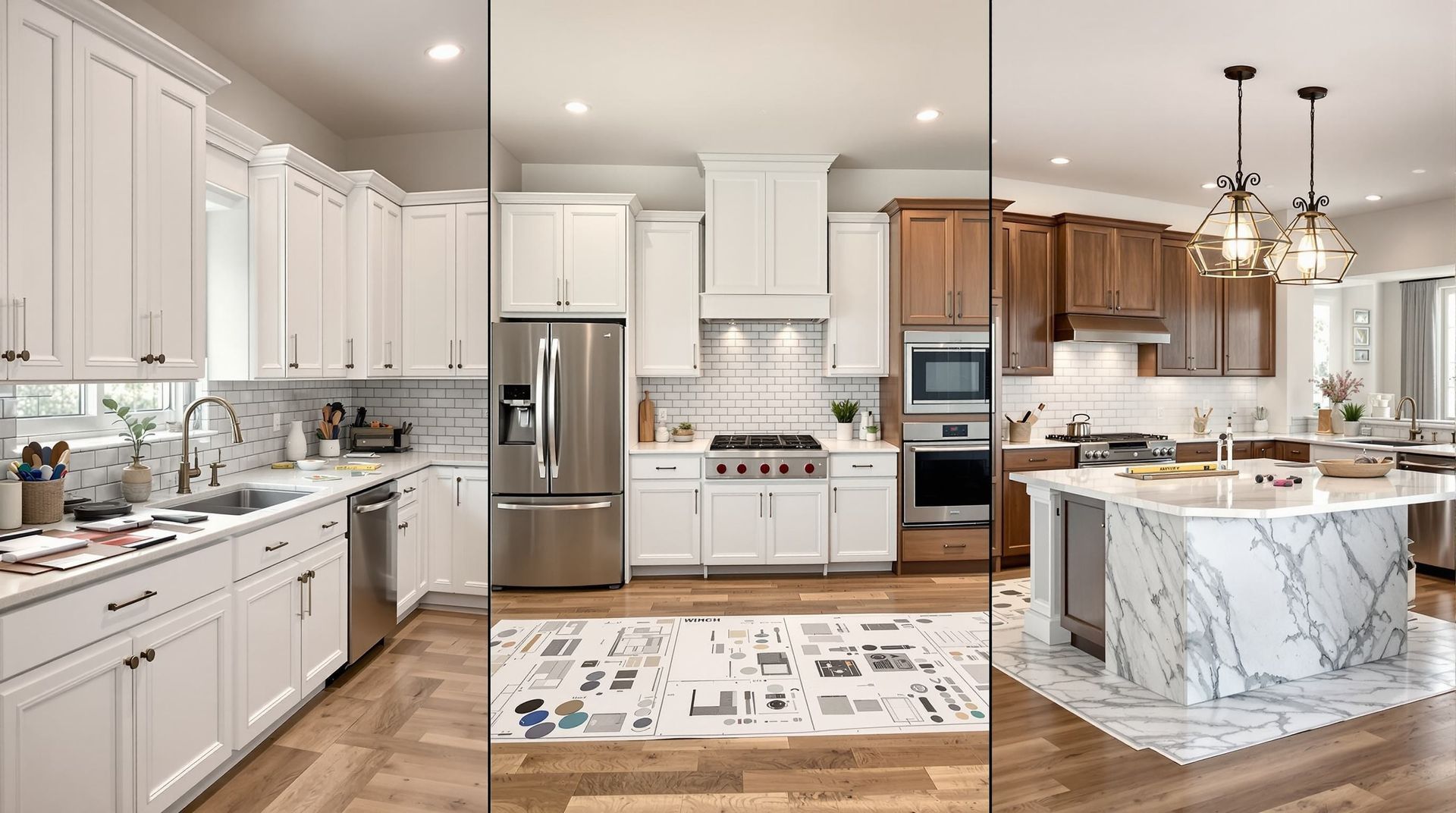
One of the most consistent things we hear from clients after their design presentation is that they had no idea how much usable space they were missing. Our kitchen design process uses 20/20 design software to map your storage layout in full 3D before anything gets ordered.
How 3D Design Finds Storage You Didn't Know You Had
Seeing the space rendered in three dimensions changes how people think about their cabinets. Problems that would have gone unnoticed until installation are visible on screen weeks earlier, when fixing them costs nothing.
Here's what 3D storage planning typically uncovers:
- Dead corner space that can be reclaimed: Pull-out corner systems and blind corner optimizers can turn a frustrating cabinet into one of your highest-capacity storage areas. You can see exactly how they function before committing.
- Vertical space being wasted above cabinets: In many Athens kitchens, there's 12 to 18 inches between the top of upper cabinets and the ceiling that gets ignored entirely. Taller upper cabinets or custom-built storage above the line solves this without touching the footprint.
- Under-sink cabinet potential: With the right pull-out organizers, the under-sink cabinet can hold significantly more than most homeowners expect. The design software shows the exact configuration that works around your plumbing layout.
- Drawer stack opportunities: Many clients default to doors on lower cabinets. Replacing several of those with deep drawer stacks dramatically improves access to pots, pans, and lids without digging through a cabinet.
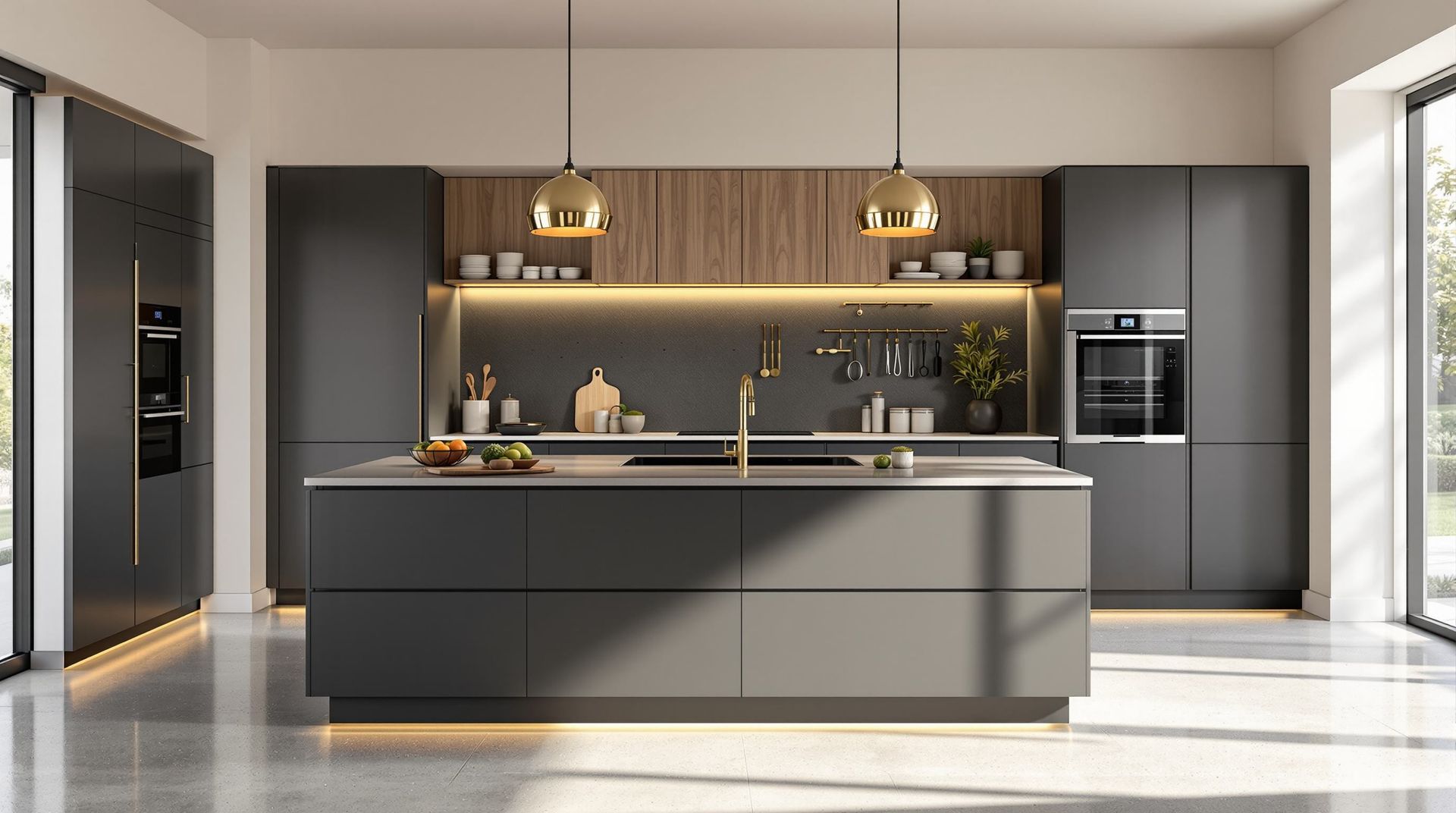
Storage Zones That Match the Way You Actually Cook
The most functional kitchens are built around zones: dedicated areas for prep, cooking, and cleanup that keep what you need within arm's reach of where you use it. Pantry organization works the same way. When your spice rack sits next to the stove and your cutting boards live next to your main prep counter, the kitchen stops fighting you.
The Prep Zone
Your prep zone should sit between your refrigerator and your primary cooking surface. This is where kitchen cabinets should house your cutting boards, mixing bowls, and frequently used small appliances. A deep drawer directly below the prep counter keeps these items accessible without bending into a lower cabinet. If you bake regularly, a dedicated pull-out shelf for your stand mixer belongs here. When it has a home, it stops living on the counter.
The Cooking Zone
Think about how many times you reach across the stove for a spice, then turn back to stir something, then reach again. A spice rack built into the cabinet directly beside your range, either a pull-out drawer style or a rack mounted on the inside of a cabinet door, cuts that movement down to almost nothing. Pot and pan storage belongs in this zone too, ideally in deep drawers with adjustable peg systems that keep lids organized and stacked pans from sliding. When the tools are where the cooking happens, the whole process moves faster.
The Pantry Zone
Pantry organization is less about how much space you have and more about how accessible that space actually is. Pull-out shelves let you see and reach items at the back without removing everything in front of them. Grouping zones within the pantry, baking supplies together, canned goods together, and snacks together makes the system intuitive enough that everyone in the household can maintain it without a reorganization effort every few weeks.
Pull-Out Shelves, Hidden Storage, and the Details That Add Up
No single storage feature transforms a kitchen on its own. But when several of them are planned together from the start, the difference in daily use is hard to overstate. These are the upgrades that consistently make the biggest impact in older Athens homes:
- Pull-out shelves in base cabinets: Standard base cabinets with fixed shelves require you to unload the front to reach the back. Pull-outs eliminate that entirely. Most clients say this single upgrade changes how they feel about their lower cabinets every day.
- Toe-kick drawers: The recessed space at the base of your cabinets is almost always wasted. Shallow drawers built into the toe-kick area hold flat items like baking sheets, cutting boards, and serving platters without using any cabinet space.
- Hidden storage behind cabinet doors: The inside faces of cabinet doors can hold spice racks, foil and wrap organizers, and cleaning supply caddies. It's usable space that disappears completely when the door closes.
- Appliance garages: A dedicated cabinet with a roll-up or lift-up door keeps countertop appliances accessible but out of sight. This works especially well for coffee stations and toaster ovens that see daily use but don't need to take up counter space permanently.
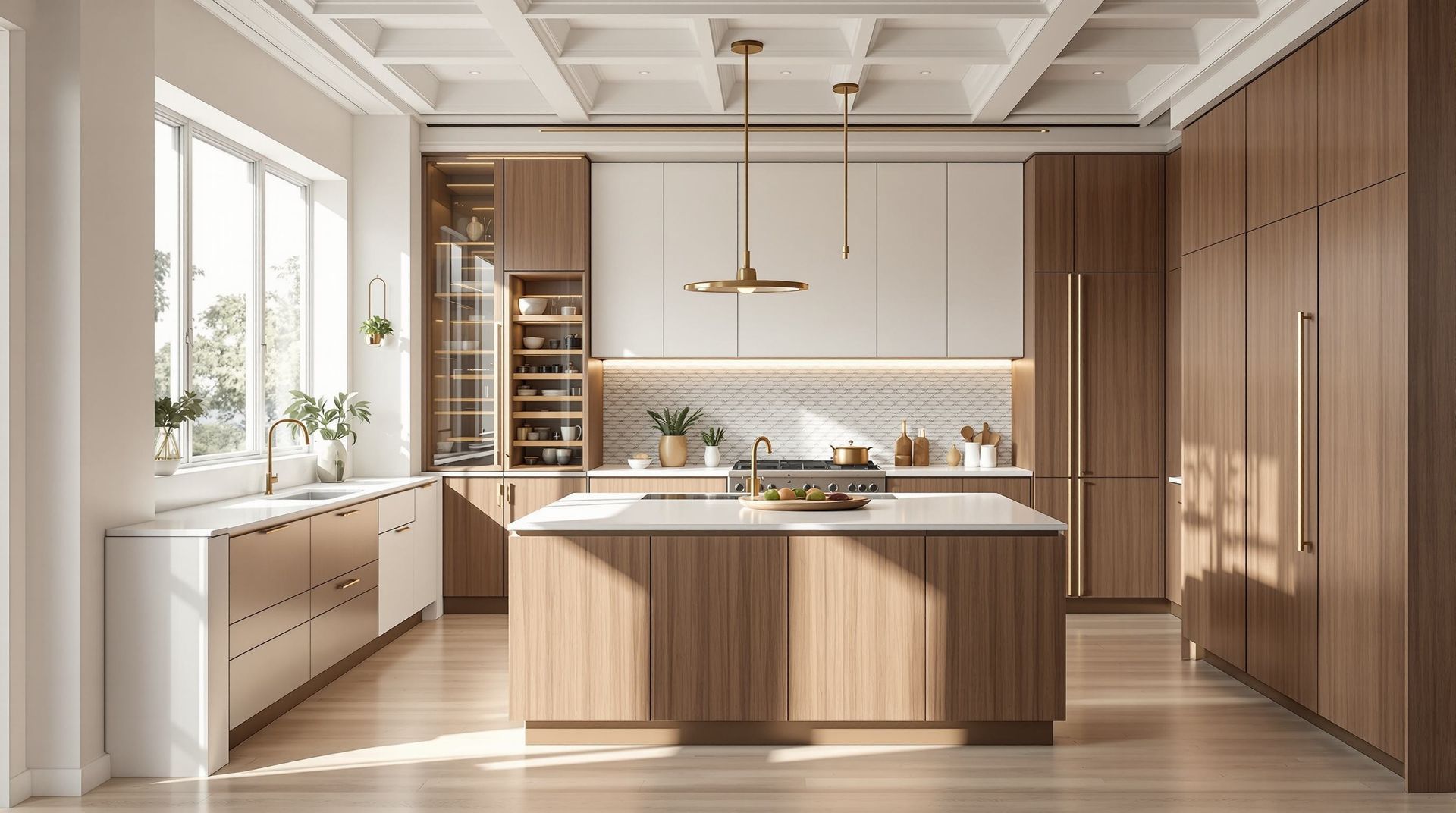
Custom vs. Stock: Why the Storage Gap Matters
Stock cabinets come in standard increments, typically 3-inch width variations, which means your kitchen layout has to work around what's available rather than around how you actually use the space. A 36-inch wide base cabinet sounds substantial until you account for the door hinges, the fixed shelf, and the dead space in the back corners. The usable volume is a fraction of what the stated dimensions suggest.
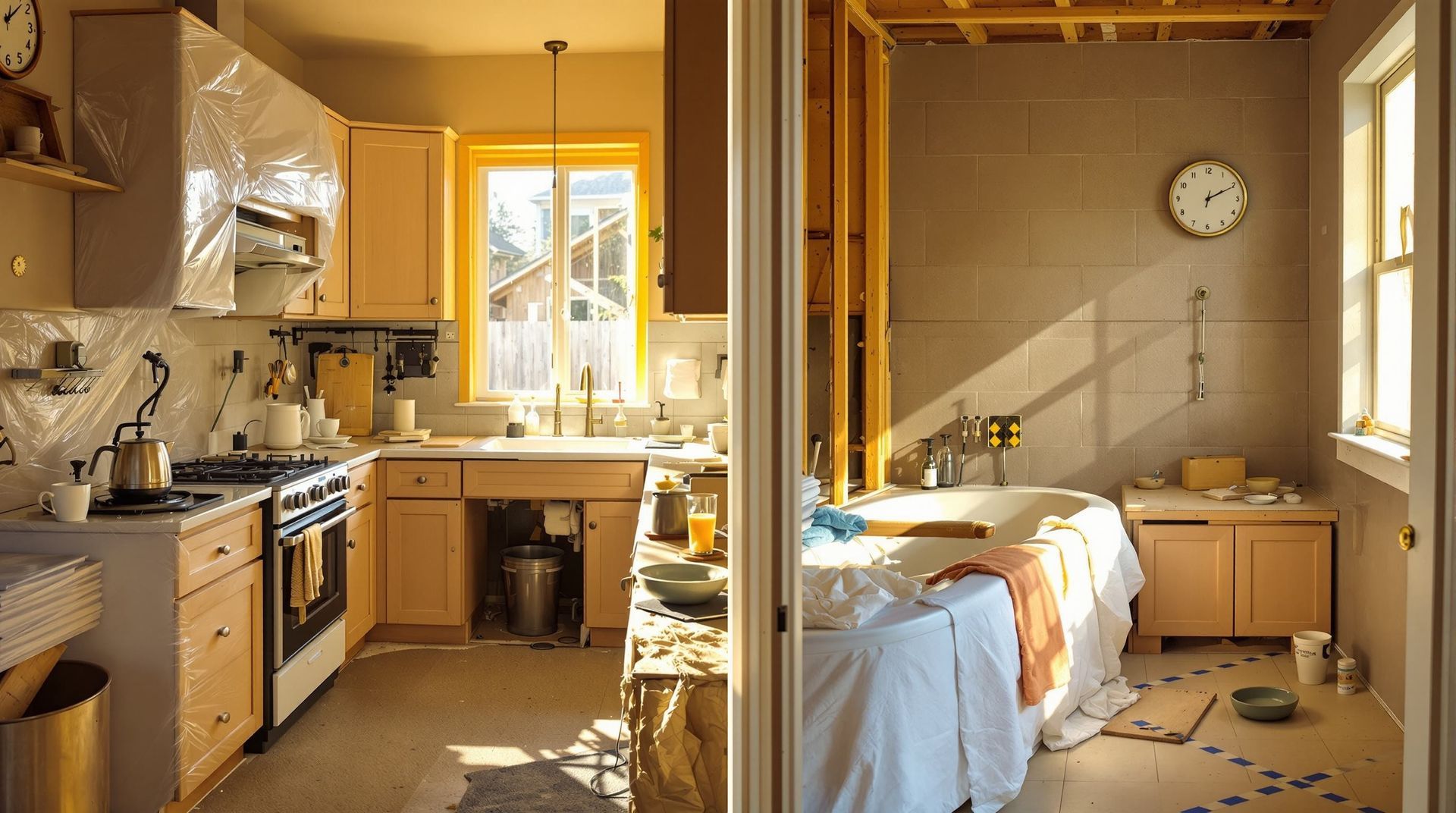
Custom cabinetry is built around your specific measurements, your storage needs, and the particular constraints of your kitchen. Our on-site fabrication shop lets us build and customize pieces off-site, which keeps installation time in your home shorter and the process far less disruptive. A pull-out spice rack that fits exactly in the gap beside your stove. A pantry column built to ceiling height for your specific layout. A corner solution designed around your exact dimensions. None of those are possible with stock cabinets, and all of them make a real difference in daily use.
For homeowners in historic Athens properties where layouts rarely conform to standard dimensions, custom is frequently the only option that works properly anyway. The same design-first thinking applies beyond the kitchen too. Our bathroom remodeling work follows the same approach, particularly for vanity storage and linen organization in older homes where the original layouts left little room for either.
Conclusion
Storage problems in older Athens kitchens don't resolve themselves with new finishes or updated fixtures. They require a plan, and that plan has to come before cabinet selection, before countertop samples, and before anything gets ordered.
With 30+ years of experience renovating homes throughout southeastern Ohio, our team at Athens Kitchen & Bath has seen what happens when storage gets prioritized from the start versus when it gets treated as something to figure out later. The difference is a kitchen that works as well in year five as it did the day installation finished.
If yours has you rearranging things constantly just to get a weeknight dinner on the table, that's where the conversation starts.
Frequently Asked Questions