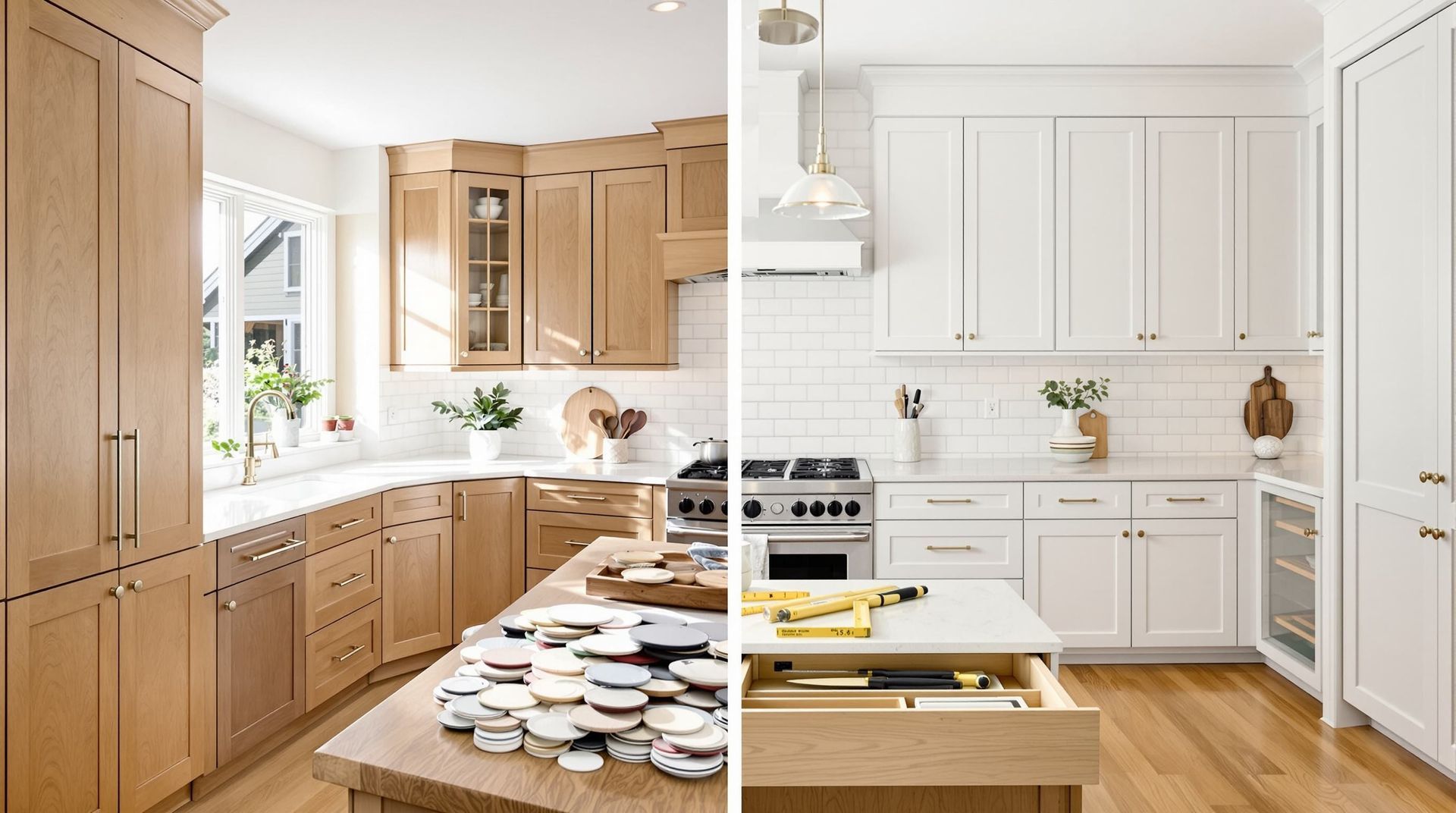

Kitchen vs Bathroom Remodeling: Where to Start
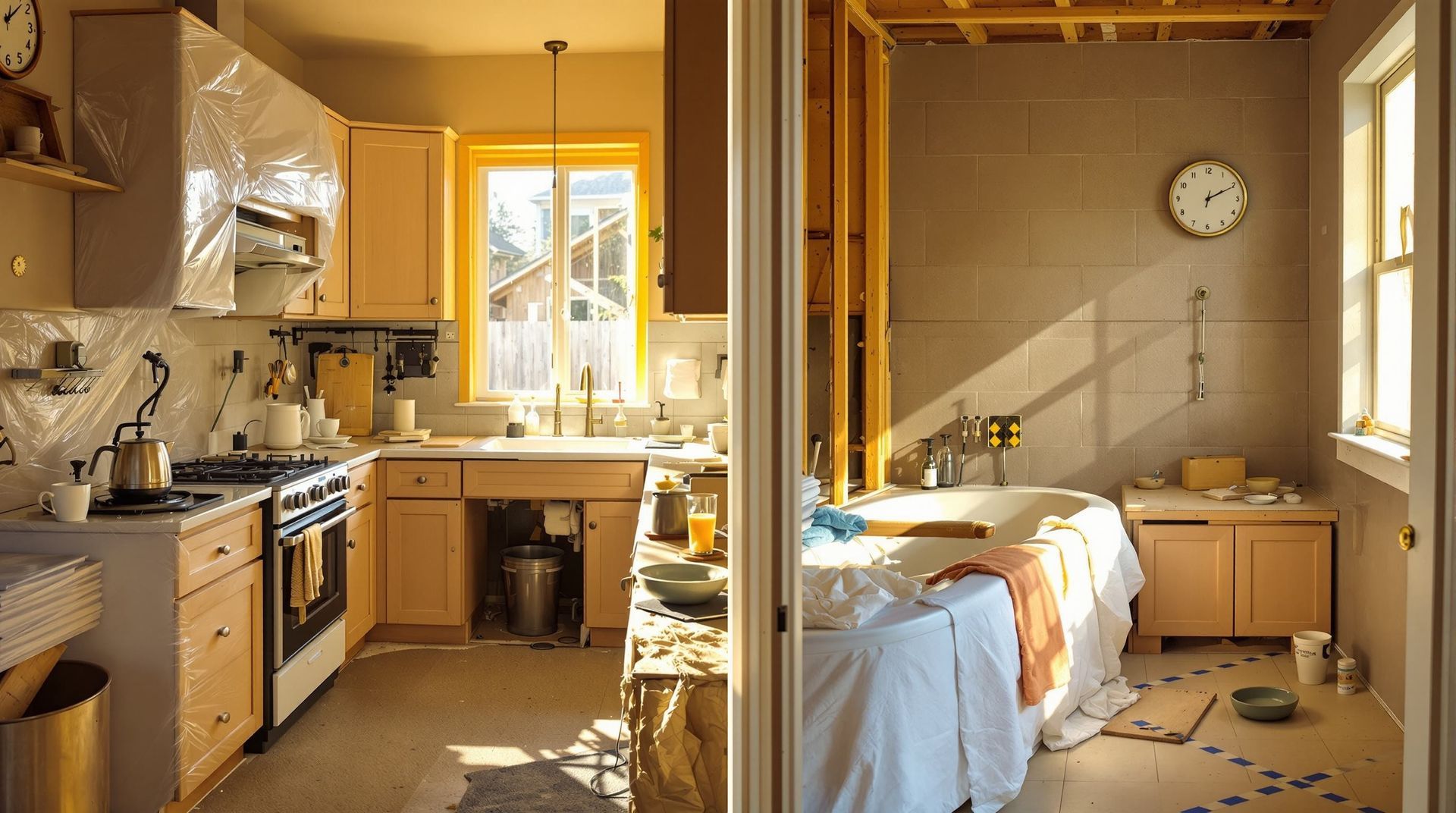
Kitchen vs Bathroom Remodeling in Athens, OH
Quick Take: Kitchen remodels typically cost more but affect more of your household's routine and offer a strong return at resale. Bathroom remodels cost less and finish faster, making them a smart first move when the condition is poor or the budget is tighter. For most Athens homeowners remodeling to stay long-term, the kitchen is the better starting point. For those preparing to sell, the answer depends on which space would stop a buyer cold at first showing.
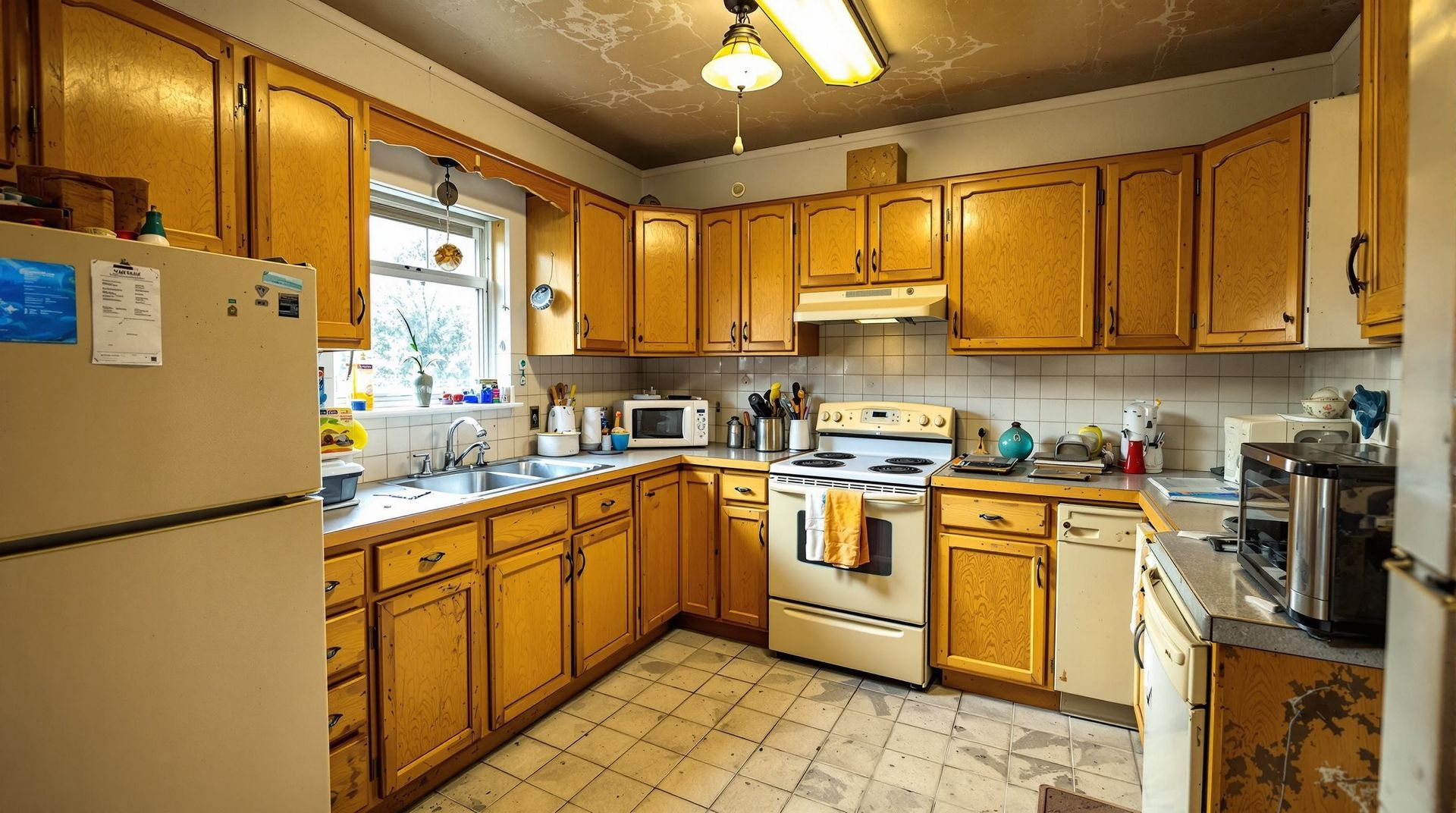
Most Athens homeowners don't have to choose between a kitchen or bathroom remodel in theory. In practice, they usually do. The kitchen is dated and cramped. The primary bathroom has unrenovated fixtures from the late 1970s and a shower that takes four minutes to get warm. The budget covers one project, not both. The question isn't which room needs work. They both do. The question is which one to tackle first.
There's no single answer that works for every household, but there is a logical way to work through it. The decision comes down to four things: what each remodel costs, what it returns when you sell, how much it disrupts the months ahead, and which space has a problem that genuinely can't wait.
What Each Remodel Actually Costs
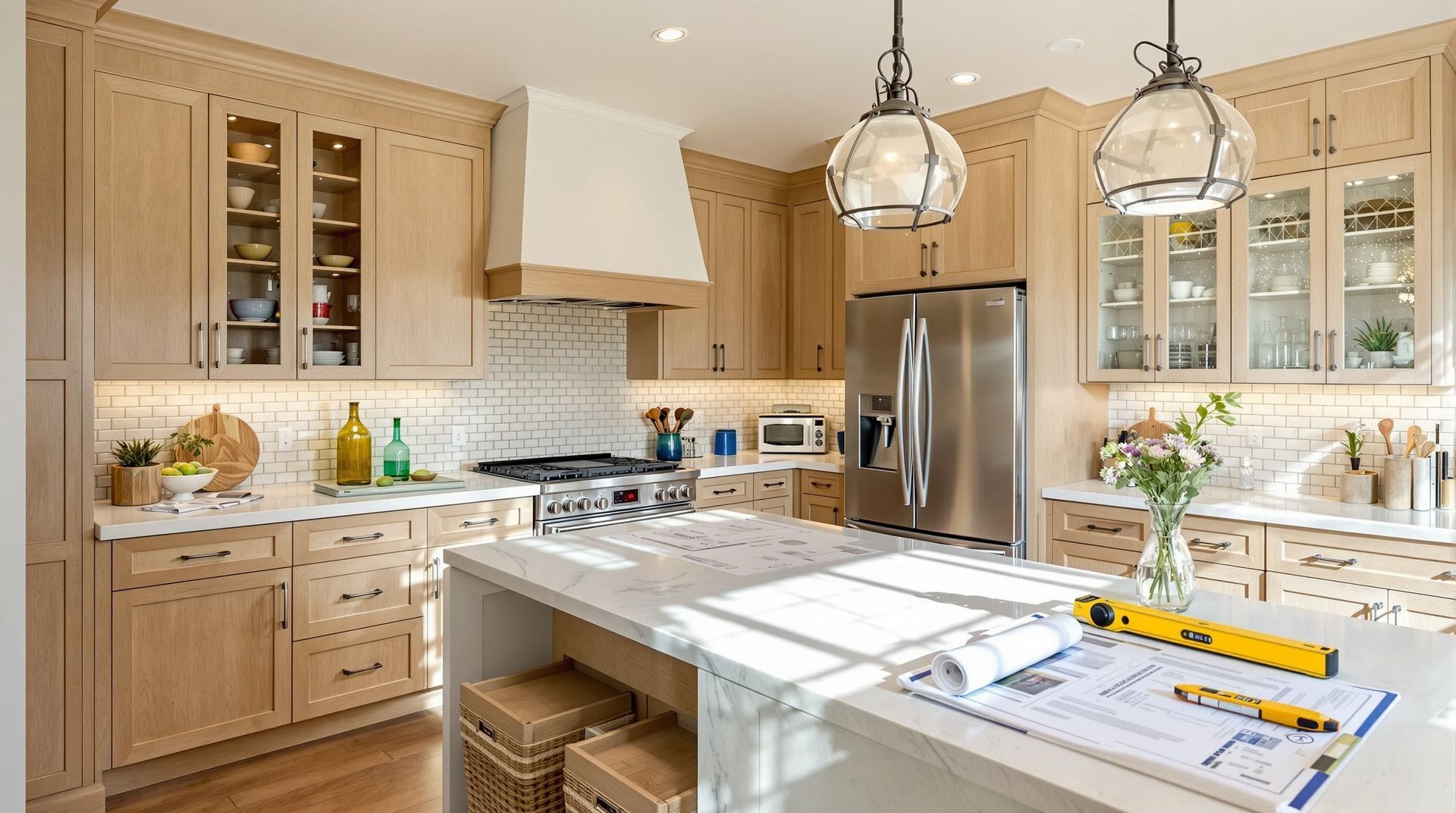
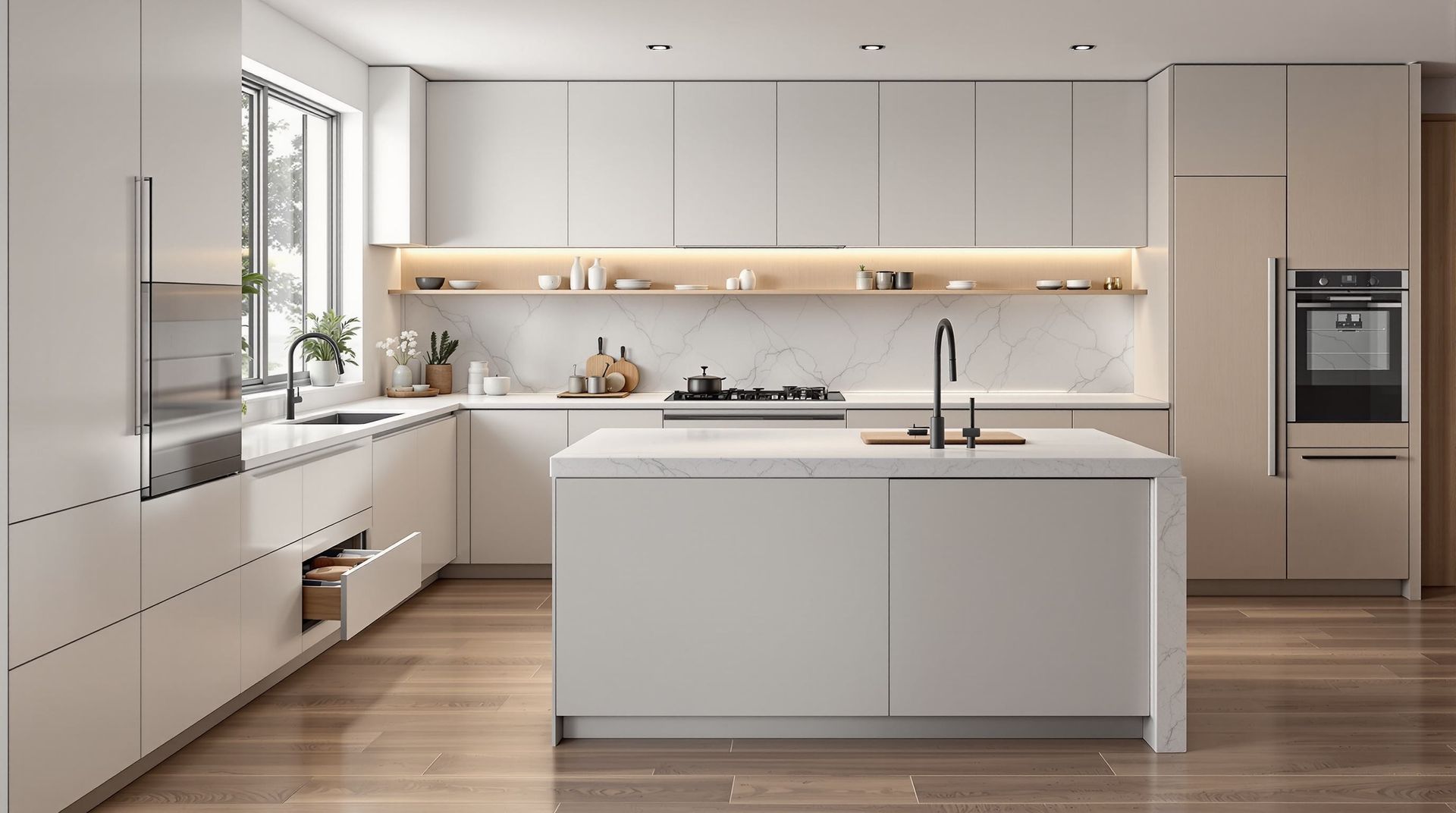
A full kitchen remodeling project in the Athens area typically runs between $25,000 and $75,000 depending on scope, cabinet selection, countertop materials, and whether the layout changes. A minor refresh can come in under $15,000. A full gut renovation with custom cabinetry, new appliances, and a reconfigured layout will push past $60,000. Most mid-range projects for an older Athens home land between $30,000 and $50,000.
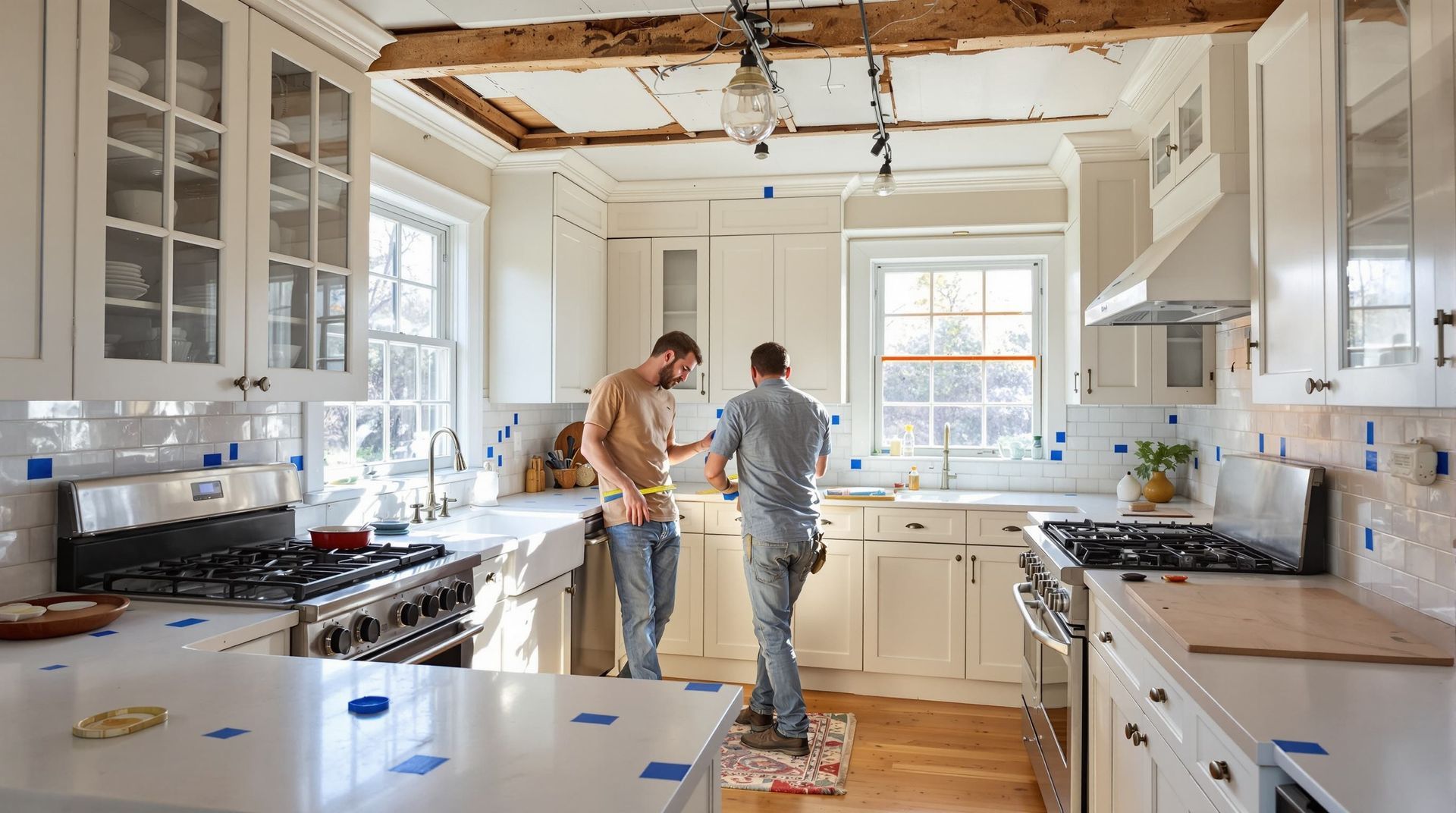
One cost factor that rarely shows up in initial estimates: what's behind the walls. Older Athens homes frequently have outdated plumbing and wiring in both the kitchen and the bathroom. Discovering either during demolition adds cost that wasn't in the original proposal. A thorough site inspection before finalizing scope is the most reliable way to avoid that kind of surprise mid-project.
ROI: What the Numbers Say About Home Value
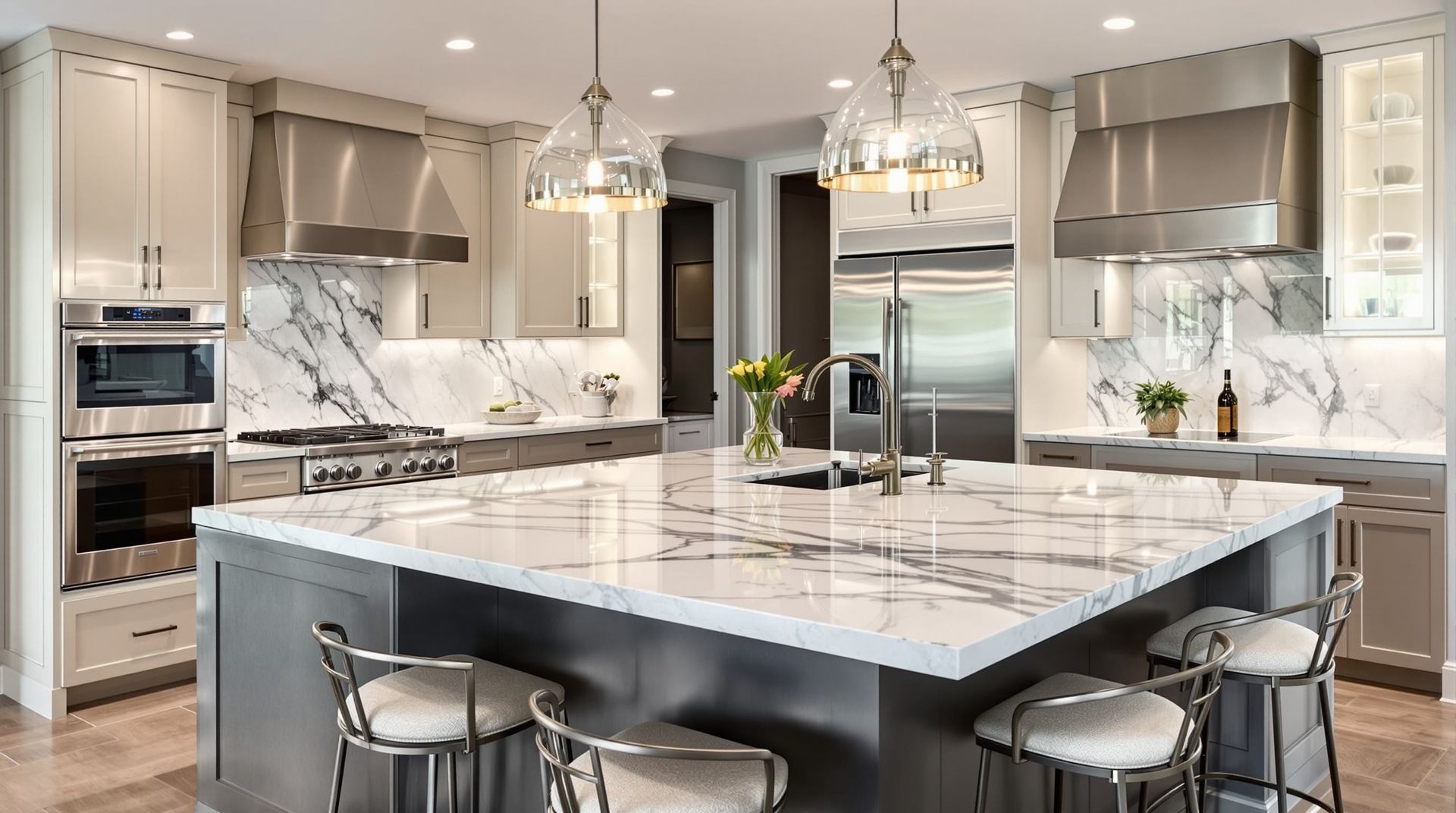
According to recent Remodeling Magazine Cost vs. Value reports, a mid-range kitchen remodel returns roughly 65 to 80 percent of its cost at resale. A minor kitchen remodel, refinishing cabinets, replacing countertops, and updating appliances without changing the layout, tends to return more in percentage terms than a major renovation. Buyers respond strongly to a kitchen that reads as updated, and many can't tell the difference between a $20,000 refresh and a $60,000 gut renovation at first glance.
Bathroom remodels return slightly less, averaging 55 to 70 percent depending on scope. A mid-range bathroom remodel tends to recoup more than an upscale one for the same reason: buyers care about function and cleanliness more than premium finishes. One updated bathroom in an otherwise untouched home can meaningfully shift a buyer's impression. Two unrenovated bathrooms in a home with a remodeled kitchen tells a different story.
Both rooms carry real weight at resale. If that's the primary goal, the honest question is which space would stop a buyer cold, and start there.
The Disruption Factor: What Each Project Costs You to Live Through
Return on investment is one lens. The other is the next several weeks of living in your home during construction. These two rooms create very different kinds of disruption, and that difference matters, especially if you have a busy stretch coming up or a household that can't absorb much inconvenience right now.
Living Without a Kitchen
A kitchen remodel means no functioning cook space for eight to fourteen weeks depending on scope and whether custom cabinetry is involved. Most families set up a temporary station with a microwave, coffee maker, and mini fridge and lean heavily on takeout. It's workable, but it adds up fast in both cost and patience. That disruption is worth absorbing when the remodel solves problems you've been working around for years.
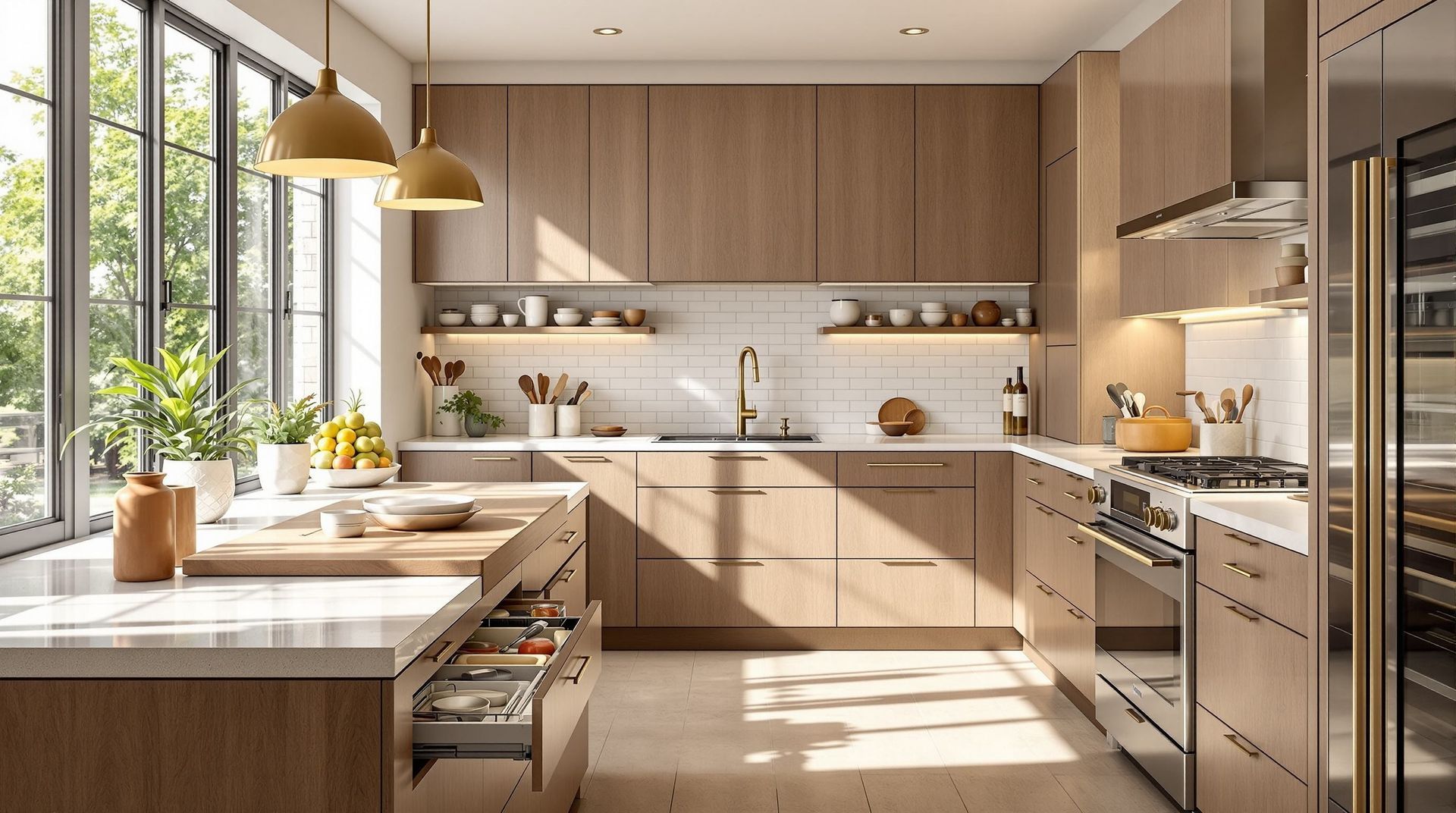
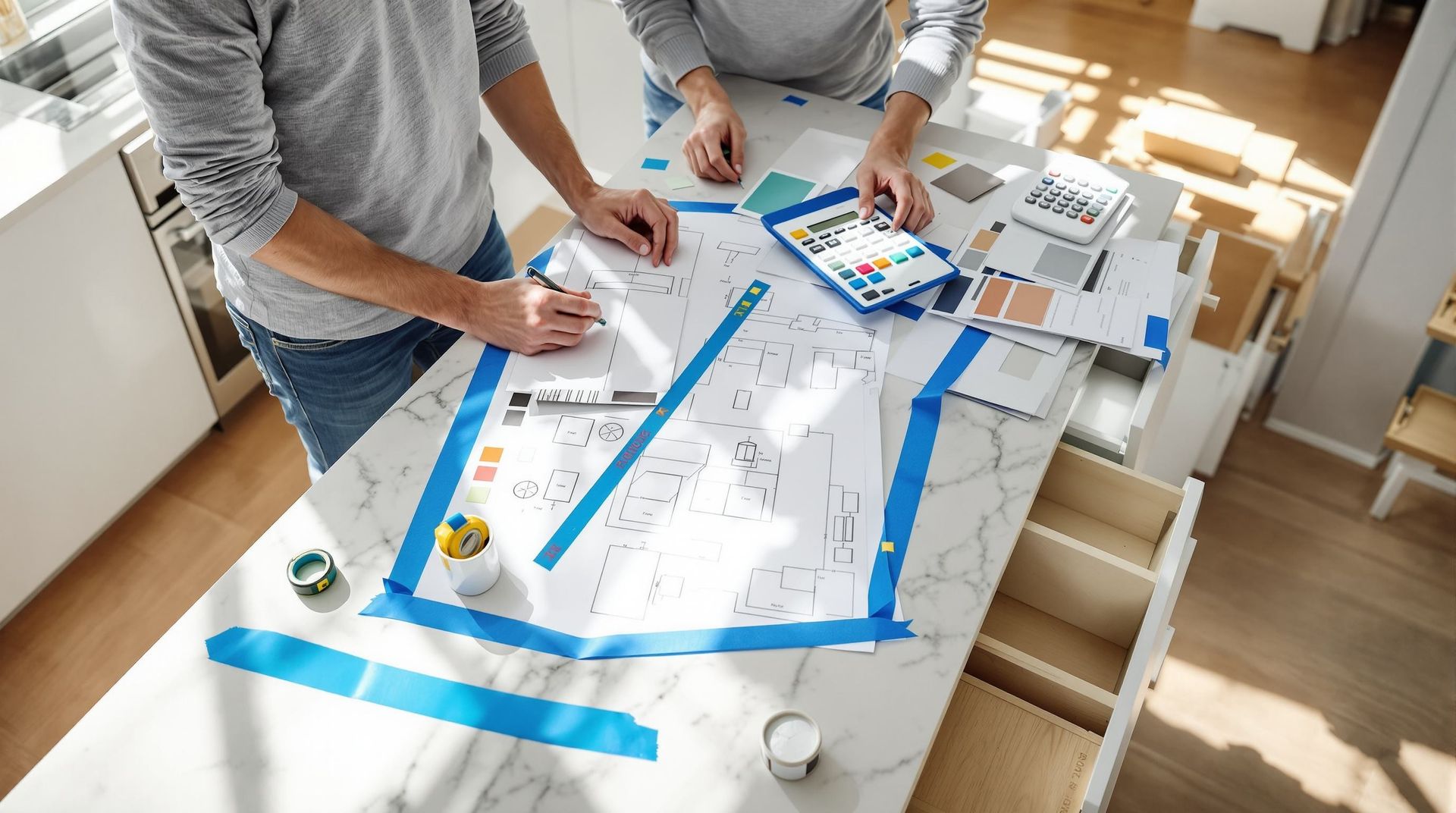
A thorough kitchen design process that maps how your household actually cooks, where prep happens, and how foot traffic moves through the space means you're not just getting a prettier kitchen. You're getting one that works better every morning you use it.
Nature's Symphony
Living Without a Bathroom
How disruptive a bathroom remodel is depends almost entirely on how many bathrooms you have. If there's a second one available, a primary bath renovation barely registers as a hardship. If it's the only bathroom, the logistics get complicated fast. Most mid-range bathroom remodels run two to four weeks, considerably shorter than a kitchen project. For households managing with one bathroom, that shorter timeline is a real and meaningful advantage.
Signs Your Kitchen Should Go First
The kitchen is usually the right starting point when one or more of the following apply:
- The layout doesn't work: Counters too cramped for two people to cook together, or the refrigerator placement blocking cabinet access. A layout problem doesn't improve with new finishes. It needs to be redesigned.
- The cabinets are failing: Drawer fronts that won't close, water-damaged cabinet boxes, or kitchen cabinets that have warped or delaminated are functional problems, not cosmetic ones.
- Appliances are aging out: A refrigerator older than 15 years and a dishwasher that stopped cleaning effectively are both pulling on energy costs and patience simultaneously.
- You entertain regularly: An updated, functional kitchen changes how comfortable you feel having people over in a way a remodeled bathroom simply doesn't.
- You're planning to stay at least five years: The longer you live with a remodel, the more value you extract from it beyond whatever the resale number turns out to be.
Signs Your Bathroom Should Go First
The bathroom makes more sense as a starting point in these situations:
- There's a functional failure: A shower that doesn't drain, persistent mold behind tile, or a tub cracked past cosmetic repair needs attention before any planning conversation about sequencing.
- You're preparing to sell: Buyers notice an unrenovated bathroom immediately. A clean, updated bathroom holds a buyer's attention. One that looks like it hasn't changed since the original owners can end the showing.
- Your budget is tighter right now: Starting with the bathroom while saving for the kitchen is a reasonable sequence, not a compromise.
- There's only one bathroom in the house: A deteriorating single bathroom affects everyone who lives there every morning. That tends to outweigh kitchen frustration when the alternative is competing for one unreliable shower.
- The kitchen is functional, just dated: If the bathroom remodeling project addresses a genuine problem while the kitchen is merely cosmetically tired, the bathroom takes priority. Cosmetic frustration can wait. Functional failure usually can't.
How to Think About Sequencing Both Projects
For homeowners planning to eventually remodel both rooms, the order matters more than it might seem. Doing the bathroom first works well when the issue is urgent and the kitchen can reasonably wait 12 to 24 months. Doing the kitchen first makes sense when the remodel will change how much time you spend cooking and entertaining, and you want to start benefiting from that sooner.
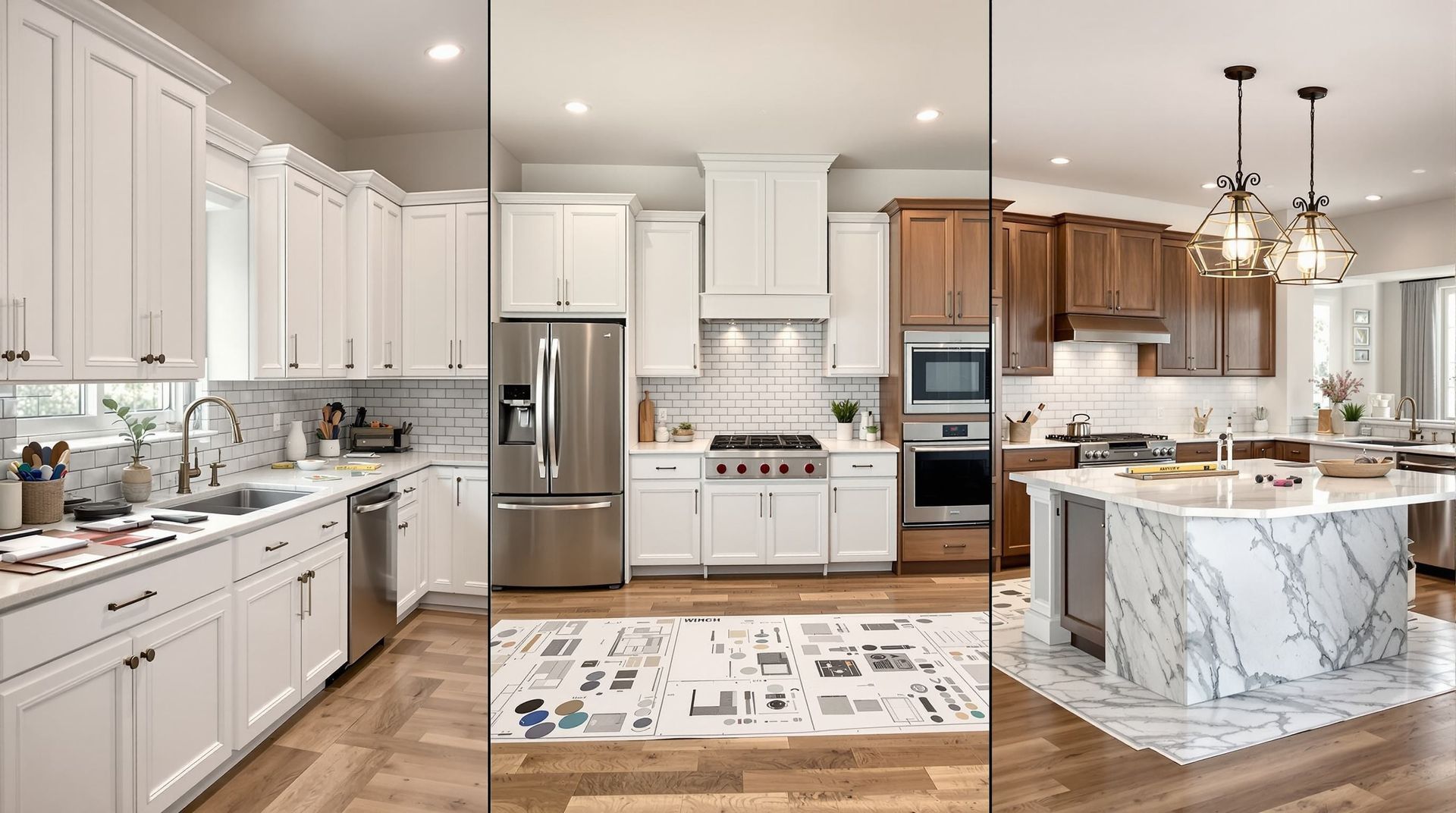
One practical detail worth thinking through early: material consistency. Flooring that runs from the kitchen into an adjacent hallway, or a design palette you want to carry through the home, is far easier to plan when both projects are on the table at the same time. We work with clients regularly who are mapping a two-phase remodel, and that early coordination prevents the kind of disconnect that's expensive to fix once the first project is finished.
Working with the same team on both projects also tends to produce better results. Once your design team knows your home, your preferences, and how you make decisions, the second project moves faster with fewer corrections along the way.
Conclusion
Kitchen versus bathroom isn't a competition. Both rooms matter, both affect resale, and both shape how comfortable your home feels to live in. The decision is about which problem costs you more right now, measured in daily inconvenience, a functional failure you're working around, or a space that would give a buyer pause.
With 30+ years of experience renovating Athens area homes, our team has helped a lot of homeowners work through exactly this question. Most of the time, the right starting point becomes obvious once you look at both rooms honestly. If you're not sure where to begin, that's what the first conversation is for.
Frequently Asked Questions